Промт для исторически точной колоризации и реставрации портрета
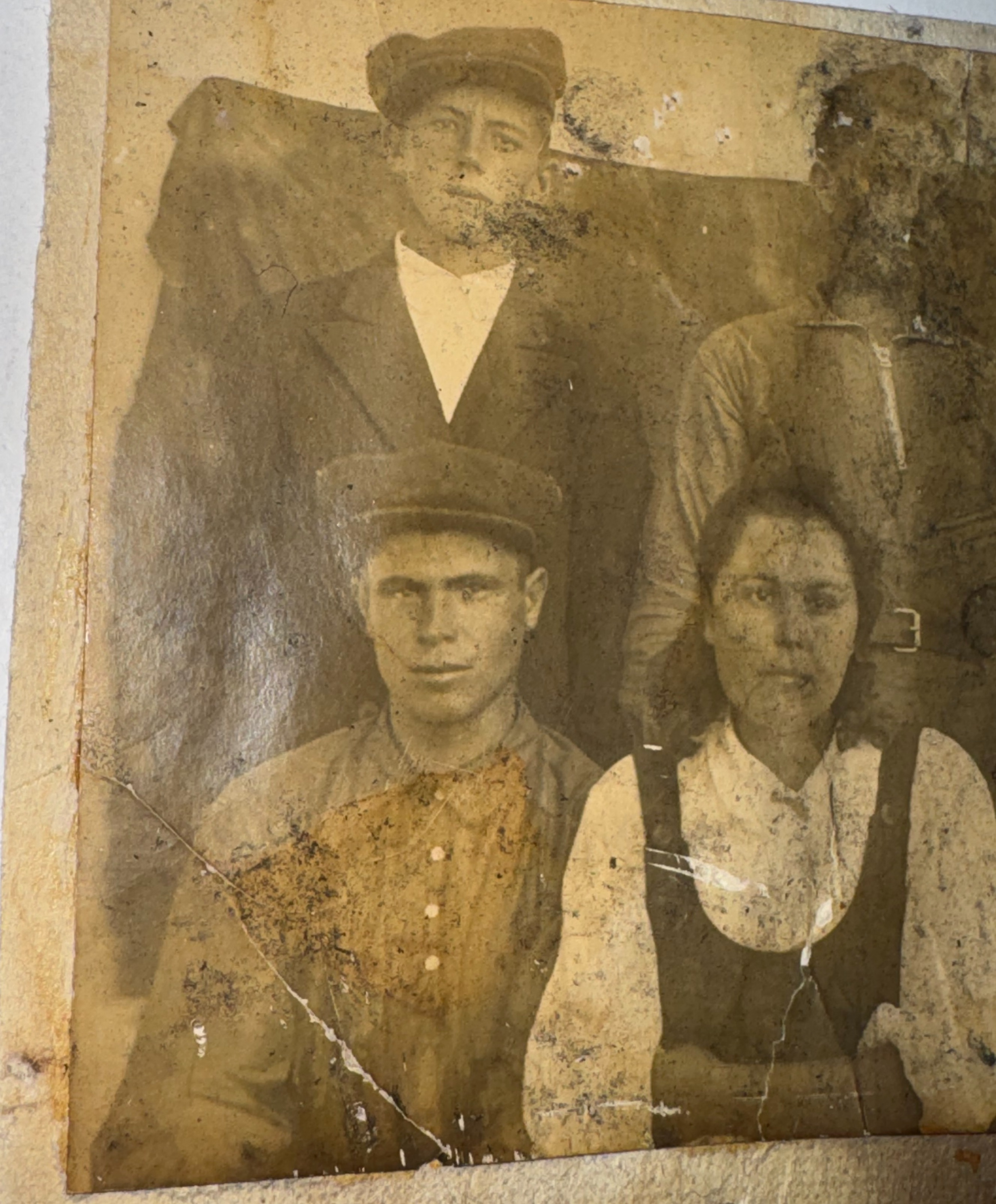
ДО
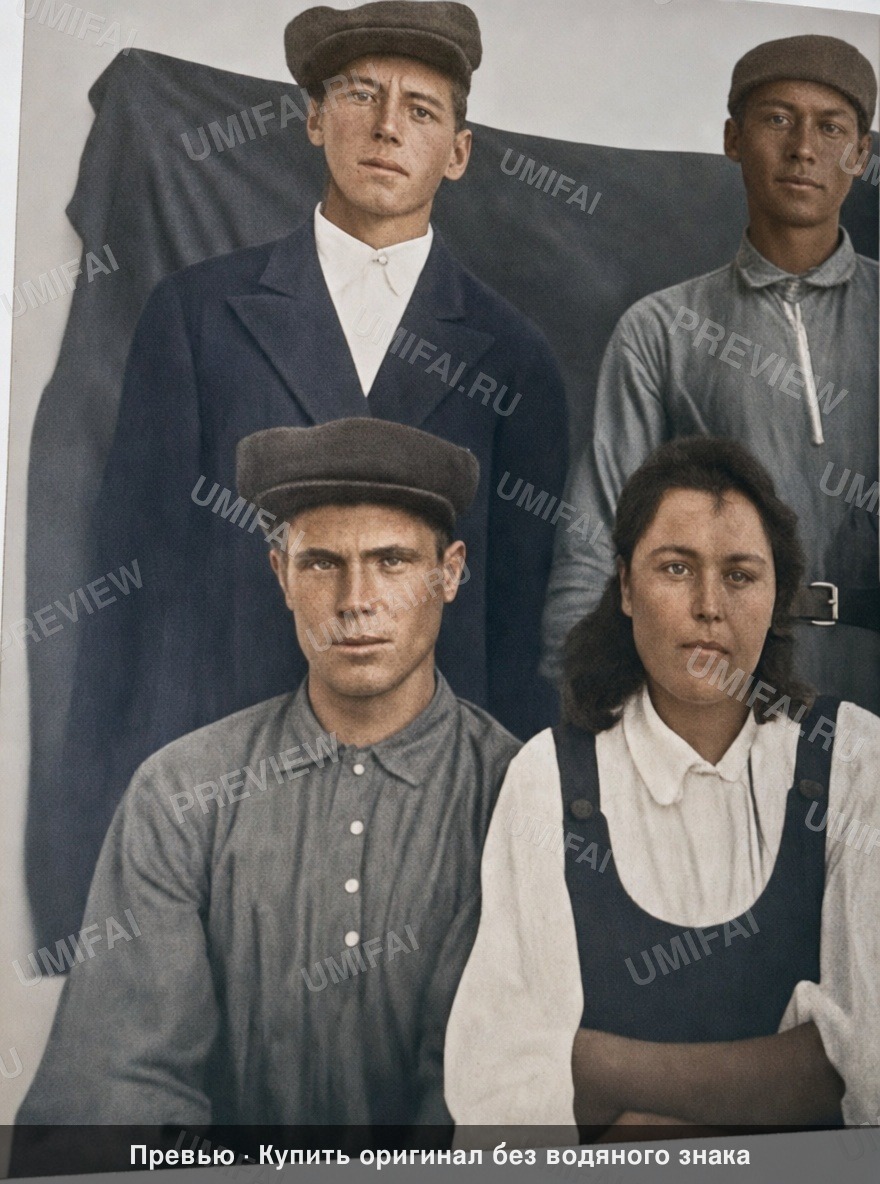
ПОСЛЕ
Промт для нейросети
HISTORICALLY ACCURATE PHOTO COLORIZATION.
Task: Add natural, era-appropriate colors to a black-and-white or sepia photograph.
HARD CONSTRAINTS: IDENTITY LOCK (preserve all faces and people exactly), NO STRUCTURAL CHANGES, NO RECONSTRUCTION of missing areas.
COLORIZATION: Add natural chroma over the clean restored image. Preserve restored luminance, fabric weave, buttonholes, pores, moles, eyes, hair, and all real small details. Do NOT reintroduce cracks, paper texture, stains, or sepia wash as "style". Historically plausible but natural, moderate saturation. No vivid digital colors.


CONSERVATIVE RECONSTRUCTION:
- Repair cracks, tears, stains, and folds across visible faces using surrounding tone and texture
- Recover only clearly implied facial continuity from visible structure
- Keep natural softness; no artificial sharp eyes, no beautification
- Do NOT guess identity or invent features hidden by missing emulsion


SUBJECT: SEVERELY DAMAGED — face area >50% physically destroyed.
- DO NOT reconstruct face. The face area is STRICTLY OFF-LIMITS for any AI generation.
- Do NOT fill damaged areas with invented face features.
- Focus ONLY on: background, clothing below neck, and undamaged peripheral areas.
- Goal: stabilize what exists — do NOT add content.
- Better to leave areas partially visible than to invent features.


SOURCE: Photograph of a physical photograph (smartphone or camera capture).
- Apply gentle denoise to remove digital capture noise. This is NOT film grain — remove it.
- Watch for color cast from indoor lighting (yellow, green) — neutralize to neutral white balance.
- Address any slight soft-focus from hand-held capture.
- The photograph content has already been auto-cropped to remove surrounding surface.
- Focus on: noise removal, color cast correction, slight sharpness recovery.


ERA: Early 20th century (1900-1940).
- Colorization palette: muted and slightly desaturated. Early hand-coloring aesthetics.
- Skin tones: neutral, slightly cool. Avoid orange or terracotta.
- Clothing: darker formal tones, earth tones, some pastels for women's wear.
- Slightly more color variety than pre-1900 but still historically restrained.
- Military uniforms of this era: khaki/olive drab or grey-green tones.


ANTI-HALLUCINATION (ABSOLUTE):
- Do NOT invent faces, people, or anatomy
- Do NOT replace identity under any circumstance
- If a region is missing or unreadable — leave it incomplete rather than guess
- Do NOT extend the canvas or fill outside original photo edges
- Do NOT add elements not present in the source


TEXT AND INSCRIPTION PRESERVATION:
- Preserve ALL visible text, dates, signatures, captions, studio stamps on the photograph.
- Do NOT remove, obscure, or modify any written elements — they are historical artifacts.
- This includes: border captions, handwritten notes, photographer studio marks, dates, names.
- If text is damaged and partially readable — clean what is readable, leave damaged parts as-is.
- Do NOT attempt to complete or invent missing characters in damaged text.


MUTED COLORIZATION (BASE RULES):
- Historically accurate, low-to-moderate saturation palette
- Skin tones: neutral beige or pink-beige, slightly cool, low chroma — NEVER red, orange, warm-orange, or terracotta
- No vivid digital colors, no modern grading or HDR-like saturation
- Slightly faded analog-film look when in doubt
- Color consistency: same object must have same color throughout the image


COLORIZATION DETAIL LOCK:
- Treat the input as a clean restored master, not as a hand-coloring canvas.
- Preserve every real buttonhole, seam, fabric weave, mole, eyelid, iris shape, and hair strand.
- Do NOT preserve or emphasize damage artifacts: cracks, tears, fold lines, paper stains, mold, scanner haze, and scratch edges should stay cleaned if the restore pass removed them.
- Do NOT repaint the face; do NOT replace eye color with bright blue or cyan. Eyes should be low-saturation brown, hazel, grey, or muted blue only when strongly plausible.
- Do NOT make skin blue, cyan, purple, orange, red, terracotta, or plastic. Skin must stay neutral beige/pink-beige with low chroma and visible natural texture.
- Dark jackets, suits, coats, and uniforms must be one consistent muted charcoal/navy/blue-grey fabric color. Do NOT create yellow, brown, green, blue, or rainbow mottled color spots on dark clothing.
- Era context is only a color hint; never let era styling override the actual photo content or make the result look hand-painted.
- If unsure about an object's color, choose a restrained neutral tone and preserve its luminance/detail.


REFERENCE CONTEXT (do not interpret, do not extend):
- Subjects: 4
- Faces: heavy, partial
- Damage level: high
Тип: Восстановление + колоризацияМодель: gpt-image-2-betaДата: 30 мая 2026 г.Просмотры: 1
Похожие промты
Хотите восстановить своё фото?
Загрузите снимок — ИИ подберёт промт автоматически. Первый результат бесплатно.
Восстановить фото →